

Crown molding is a decorative trim that’s installed where the wall meets the ceiling. It’s commonly used in both residential and commercial spaces, primarily for aesthetic and functional purposes. Functionally, it serves as a transitional element, covering the seam between the wall and ceiling to create a finished, polished look. Aesthetically, crown molding adds architectural detail, contributing elegance and depth to a room. It can enhance the visual appeal of both modern and traditional interiors by offering a refined and cohesive design.
Crown Molding’s Evolution in Design
Historically, crown molding originated as a practical solution to hide imperfections where walls and ceilings met. Over time, it evolved into a symbol of wealth and sophistication, particularly in classical architecture. During the Renaissance and Baroque periods, intricate crown molding designs were used in palaces and stately homes. Today, while its practical use remains, crown molding has become a key design feature in home décor. Modern versions range from simple, minimalist trims to elaborate, decorative styles. It has become a versatile tool in interior design, allowing homeowners to express personal style while maintaining the room’s integrity.
Crown Molding Styles
Crown molding comes in a variety of styles, each offering a unique flair and fit for different room aesthetics. Here are some of the most popular styles:
Traditional Crown Molding
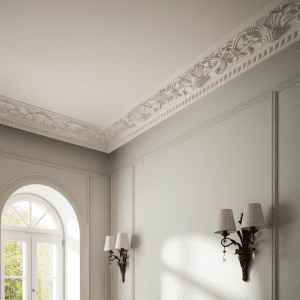
Traditional crown molding is a decorative trim applied where the walls meet the ceiling. It typically features a rounded design with soft, flowing curves, offering a timeless and refined appearance. Historically used in classical architecture, crown molding adds a polished finishing touch to a room’s design. It is often made from materials like wood, plaster, or polyurethane, each offering a unique look and durability. Crown molding’s purpose is not just functional but also aesthetic, enhancing the transition between wall and ceiling while contributing to the overall beauty of the space.
Design and Aesthetic Appeal of Traditional Crown Molding
Traditional crown molding elevates a room’s design by adding architectural depth and a sense of grandeur. Its smooth, rounded edges create a soft visual transition between the walls and ceiling, preventing the room from feeling stark or disconnected. This subtle yet sophisticated detail can make a room feel more cohesive and complete. The molding works to visually heighten the space, creating the illusion of taller ceilings and a more expansive feel. In a space with simple walls or ceilings, crown molding serves as an effective design element that captures attention without overwhelming the space.
Rooms Best Suited for Traditional Crown Molding
While crown molding can be installed in virtually any room, it is particularly well-suited for spaces where formality and elegance are desired. The living room, dining room, and bedrooms benefit from the classic look and enhanced ambiance that traditional crown molding brings. In the living room, crown molding emphasizes the room’s scale and adds a luxurious touch. In the dining room, it complements formal furniture and enhances the room’s sophistication. Bedrooms, especially those with higher ceilings, benefit from crown molding’s ability to visually elongate walls and create a serene, classic atmosphere.
Complementing Formal or Classic Interior Styles
Traditional crown molding is a perfect fit for formal or classic interior styles, such as Colonial, Victorian, or Neoclassical designs. Its timeless design complements the intricacies of these styles, often seen in detailed furniture, intricate wallpaper, and classic color palettes. For instance, in a Victorian-style home, crown molding can help highlight the grandeur of the architecture, while in a more minimalist Colonial room, it provides a simple yet refined touch. Its elegant lines seamlessly align with the polished aesthetics of these classic home designs, making it a standout feature that never goes out of style.
Impact on Home Elegance and Atmosphere
Installing traditional crown molding can significantly enhance a home’s overall elegance and atmosphere. It imparts a sense of timelessness, giving a room an air of sophistication and refinement. Whether in a large, open space or a more intimate room, crown molding can set the tone for the entire environment. The graceful curves and finishes create a balanced feel, making the room appear more complete and thoughtfully designed. This subtle enhancement adds character without dominating the space, making the atmosphere feel welcoming and elevated.
Installation Tips for Traditional Crown Molding
When installing traditional crown molding, precision is key to achieving a polished result. Begin by measuring the room’s dimensions accurately to ensure the molding fits properly. For a professional look, ensure the joints are cut precisely, especially at corners. Depending on the material, some crown moldings can be more easily customized with paint or stain to match a room’s color scheme. It’s also important to consider the scale of the room and select a molding size that fits the space’s proportions. Larger rooms can handle wider or more intricate molding, while smaller rooms may benefit from more delicate trim. For best results, hire a skilled carpenter or use specialized tools like a miter saw to ensure accurate cuts and a seamless installation.
Egg and Dart Molding
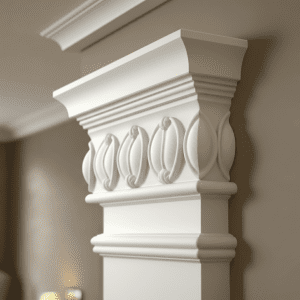
Egg and dart molding is a decorative trim that features an alternating pattern of egg-shaped motifs and dart-like designs. The pattern often appears as a series of oval or egg shapes interspersed with sharp, pointed dart motifs. This distinctive design is commonly used as a border or trim element in crown molding, friezes, or other architectural details. The egg and dart motif has a classical and regal aesthetic, making it a timeless choice for sophisticated interior spaces. The molding’s elegant and symmetrical look contributes to a sense of refinement and grandeur in any room.
Historical Influence of Egg and Dart Design
The egg and dart design has its roots in classical Greek architecture, where it was used to decorate temples, columns, and other monumental structures. Its association with the ancient world stems from its use in Greek and Roman designs, where the motifs symbolized abundance, fertility, and the cycle of life. The alternating egg and dart shapes were often used in friezes, along with other decorative elements, to evoke a sense of regality and divine beauty. The design continued to influence Renaissance and Neoclassical architecture, eventually becoming a hallmark of luxury and sophistication in Western interior design.
Materials Used for Egg and Dart Molding
Egg and dart molding can be crafted from several different materials, each offering unique benefits depending on the desired aesthetic and functionality. Common materials include:
- Plaster: Traditional and highly detailed, plaster is often used in historic restorations for its authentic look and texture.
- Wood: Wood molding provides a natural, elegant appearance and can be customized through sanding, staining, or painting.
- Foam: Lightweight and cost-effective, foam egg and dart molding offers an easy installation process and can be painted to mimic the look of more expensive materials.
- Polyurethane: Durable and resistant to moisture, polyurethane molding is an ideal option for both interior and exterior use, offering a smooth finish and a variety of design styles.
Each material brings its own set of advantages, with some providing a more classic, high-end look and others offering practical benefits like ease of installation or affordability.
Ideal Spaces for Egg and Dart Molding
Egg and dart molding is perfect for spaces that aim to convey elegance, tradition, and sophistication. Some of the best rooms for installing this ornate molding include:
- Formal Dining Rooms: The intricate detailing of egg and dart molding complements the opulent nature of a dining room, particularly in homes with traditional or Neoclassical interior designs.
- Entryways: The entryway serves as the first impression of a home, and egg and dart molding adds an immediate sense of luxury and grandeur.
- Living Rooms: In more formal living areas, the decorative pattern creates an atmosphere of refinement and enhances the space’s architectural features.
- Hallways or Foyers: Large hallways or foyers can benefit from the ornate nature of egg and dart molding, adding elegance without overcrowding the space.
Essentially, any room where you wish to evoke a sense of luxury and timeless design can be an ideal candidate for egg and dart molding.
Creating an Ornate and Sophisticated Look
Egg and dart molding is an excellent choice for adding an ornate and sophisticated touch to a room. The alternating egg and dart pattern provides a sense of texture and depth, giving a space a high-end, polished look. The molding often becomes the focal point of a room’s decor, subtly drawing the eye upward and framing the space beautifully. Its detailed design contrasts with simpler, more modern styles, making it an ideal addition to more traditional, formal interiors. Whether used in conjunction with other period details or as a standalone feature, egg and dart molding helps create an environment that feels luxurious and refined.
Timeless Luxury with Egg and Dart Molding
Egg and dart molding adds a level of timeless luxury that stands out in any upscale space. Its intricate detailing conveys an enduring sense of quality and craftsmanship, making it ideal for high-end residential and commercial spaces. Whether in a grand home, an elegant office, or a luxury hotel, the presence of egg and dart molding elevates the overall atmosphere. Its historical ties to ancient Greek and Roman architecture further enhance its reputation for regality, making it a lasting symbol of refined taste. With its ability to combine function and beauty, egg and dart molding remains an enduring choice for those seeking to add a touch of class and opulence to their interiors.
Timeless Elegance with Dentil Molding by All Coast Painting
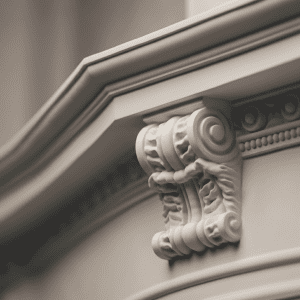
Dentil molding is a decorative architectural feature typically used in classical architecture. It consists of a series of small, rectangular blocks (or “teeth”) evenly spaced along the molding, often found beneath a cornice. The name “dentil” comes from the Latin word “dentis,” meaning “tooth,” because the blocks resemble teeth. Dentil molding was popularized during the Classical Greek and Roman periods, seen in temples and other significant buildings.
Historical Significance
Dentil molding has its roots in ancient architecture, with its use becoming widespread in the Renaissance and Colonial periods. It symbolized grandeur and sophistication, often used in grand public and private buildings to enhance the elegance of a structure.
Design and Appearance
Traditional dentil molding consists of small, square or rectangular blocks that form a repeating pattern. The blocks are typically placed under a cornice or on the top of doors and windows. It offers a refined, classical look, adding architectural depth and texture to both exterior and interior spaces.
2. Types of Dentil Molding
Traditional Dentil Molding
Traditional dentil molding has a more intricate and defined block shape, often made from wood or stone. It’s commonly used in older or historical buildings, where maintaining classical styles is key.
Modern Dentil Molding
Modern dentil molding often uses lighter materials such as polyurethane, which is easier to install and maintain. The designs may be less detailed than traditional styles, catering to contemporary tastes while still maintaining a classic aesthetic.
Custom Dentil Molding Designs
Custom-designed dentil molding allows for unique adaptations of the traditional style. Homeowners or architects may choose to adjust the size and spacing of the blocks, or even add other motifs to fit a specific interior or exterior theme.
Materials Used for Dentil Molding
- Wood: Offers a classic look, often used in high-end residential properties.
- Plaster: Common in traditional and historical settings, plaster offers durability and can be molded into complex designs.
- Polyurethane: A modern, lightweight material that is easier to install and less expensive.
- MDF (Medium-Density Fiberboard): Used in budget-conscious applications, MDF can be painted to look like wood or other materials.
3. Applications of Dentil Molding
Architectural Use in Interiors
Dentil molding can be used in living rooms, dining rooms, and foyers to add sophistication and a sense of height. It is commonly installed around ceilings or around windows and doors as a framing element.
Dentil Molding for Exterior Design
On the exterior, dentil molding is often used to enhance the crown of a building, especially in classical and colonial architecture. It adds a structured, ornate look to otherwise simple facades.
Use in Classical and Colonial Architecture
Dentil molding is often found in colonial homes or neoclassical-style buildings. It helps evoke a sense of permanence and historical grandeur.
Dentil Molding in Modern Homes
In contemporary homes, dentil molding is being reimagined and integrated into minimalist, industrial, or even eclectic interior designs. Its subtle detailing can act as a unique feature to add character without overwhelming the space.
4. Dentil Molding Installation
How to Install Dentil Molding
- Measure and mark where the dentil molding will be installed.
- Cut the molding to the correct length, ensuring the pattern aligns evenly.
- Secure the molding to the wall or ceiling using nails, screws, or adhesive, depending on the material.
- Finish the edges with caulk or wood filler for a seamless look.
Tools Required for Installation
- Tape measure
- Miter saw (for cutting angles)
- Nail gun or hammer
- Level
- Adhesive or glue (if using lightweight materials)
- Caulk for finishing seams
Step-by-Step Guide to Installing Dentil Molding
A thorough guide can ensure that even novice DIYers can tackle dentil molding installation, making it clear how to achieve professional-looking results in just a few steps.
Common Mistakes to Avoid
- Incorrect measurement and alignment can lead to gaps or uneven patterns.
- Forgetting to secure the molding properly can result in loose, unstable pieces.
- Overloading the installation area with excessive decorative molding that doesn’t match the space’s overall aesthetic.
5. Dentil Molding Design Styles
Classic Dentil Molding Styles
Classic styles feature precise, evenly spaced rectangular blocks, typically found in historical architecture. These styles can be enhanced with additional elements such as cornices or friezes.
Victorian Dentil Molding
Victorian-style dentil molding tends to have more intricate, detailed carvings compared to traditional designs. The blocks may be accompanied by other elements like floral patterns or curls.
Georgian and Colonial Dentil Molding
In Georgian and Colonial architecture, dentil molding plays a crucial role in establishing symmetry and structure, typically with a more refined, formal pattern of blocks.
Contemporary Adaptations of Dentil Molding
Modern interpretations of dentil molding might incorporate simpler, cleaner lines or geometric blocks to complement minimalist or modern décor.
6. Dentil Molding Maintenance and Care
How to Clean Dentil Molding
To clean dentil molding, use a soft cloth and a gentle cleaning solution to wipe away dust and grime. Avoid harsh chemicals that could damage the finish.
Preserving Wood and Plaster Dentil Molding
For wood molding, regularly apply wood polish to maintain its luster. For plaster, gentle cleaning with a damp cloth and periodic touch-ups will keep the material looking pristine.
Restoring Damaged Dentil Molding
If dentil molding becomes chipped or cracked, you can repair it by filling the gaps with wood filler for wooden moldings or plaster for damaged plaster moldings. After repairing, repaint or refinish for a seamless look.
7. Cost of Dentil Molding
Factors Affecting Dentil Molding Cost
- Material choice (wood, plaster, polyurethane, etc.)
- Length of molding needed
- Intricacy of design
- Installation complexity
DIY vs. Professional Installation Costs
For DIY, the cost is primarily material and tools, but for professional installation, labor costs can add a significant amount to the total. Installation can range from $4 to $20 per linear foot depending on materials and complexity.
Long-Term Value of Dentil Molding
Adding dentil molding can increase the perceived value of a property due to its aesthetic appeal. It provides a timeless look, which can be an attractive feature for potential buyers.
8. Dentil Molding vs. Other Molding Styles
Comparing Dentil Molding to Crown Molding
While crown molding typically features a more rounded or curved design, dentil molding is more geometric and structured. Both can be used for similar applications but offer different aesthetics.
Differences Between Dentil Molding and Egg-and-Dart Molding
Egg-and-dart molding consists of alternating egg-shaped and dart-like motifs, whereas dentil molding uses rectangular blocks. Dentil molding tends to be more uniform and less detailed than egg-and-dart designs.
Why Choose Dentil Molding Over Other Decorative Molding Options
Dentil molding offers a classic, refined look that complements various architectural styles. It works well for both traditional and modern designs, while other types of molding may be more specific to certain styles or settings.
9. Popular Dentil Molding Brands and Manufacturers
Top Brands for Dentil Molding
- Metrie
- Orac Decor
- Ekena Millwork
- Fypon
These brands offer a variety of styles and materials, ranging from wood to polyurethane options.
How to Choose a Reliable Dentil Molding Supplier
Look for a supplier with a strong reputation for quality materials and customer service. Check for reviews and samples to ensure the product meets your design and quality standards.
Cove Molding

Cove molding is a type of decorative trim installed where the walls meet the ceiling. Unlike traditional molding, which features angular edges, cove molding has a smooth, concave curve that creates a soft and seamless transition. The smooth, rounded edge adds a refined look to a room without being too bold or overpowering. Cove molding is known for its elegant simplicity, making it a popular choice for both modern and traditional interiors.
The Role of Cove Molding in Interior Design
In interior design, cove molding serves both a practical and aesthetic purpose. It helps to soften the hard angles where the wall meets the ceiling, creating a smooth visual transition. The curvature of the molding draws the eye upward, enhancing the room’s proportions and giving it a more polished, finished appearance. It can also hide imperfections at the intersection of the walls and ceiling, making it a perfect choice for rooms that need a clean and cohesive look.
Design Features of Cove Molding
The Concave, Curved Shape of Cove Molding
The most defining feature of cove molding is its concave curve. This shape is designed to create a gentle, flowing transition between the wall and ceiling. The subtle curve adds a sense of softness and elegance, unlike more rigid and geometric molding styles. This design feature makes cove molding perfect for spaces where a refined, understated touch is desired.
How It Creates a Seamless Transition Between Walls and Ceilings
Cove molding seamlessly blends the wall and ceiling, eliminating the sharp corner where the two meet. This creates a smooth, uninterrupted flow in the room. By reducing the harshness of a standard angle, the curved design helps to open up the space, making it feel larger and more welcoming. The transition appears natural and effortless, enhancing the overall design of the room.
Advantages of Cove Molding
Adding Subtle Elegance and Refinement to Rooms
Cove molding is known for its ability to add a touch of understated elegance. The smooth curve creates a visually pleasing effect that complements various design styles. Whether it’s a traditional living room or a modern bedroom, cove molding helps to elevate the room’s overall ambiance, offering a refined finish without being too elaborate.
Versatility in Fitting Various Home Styles and Room Types
One of the key advantages of cove molding is its versatility. It fits well in a variety of home styles, from classic and contemporary to minimalist and industrial. Its unobtrusive design works in almost any room, making it a top choice for living rooms, bedrooms, hallways, and even bathrooms. The ability to match different interior styles and color schemes makes cove molding a go-to option for many homeowners.
Best Rooms for Cove Molding
Recommended Spaces: Living Rooms, Hallways, Bedrooms
Cove molding is ideal for areas where a subtle touch of elegance is desired without overwhelming the space. The living room benefits from cove molding’s ability to soften the transition between the walls and ceiling, while the hallway feels more inviting and spacious. In bedrooms, it helps create a soothing environment that promotes relaxation, making it an excellent choice for those seeking comfort and style in their personal spaces.
Ideal for Areas Where a More Understated Design is Desired
Cove molding is particularly well-suited for spaces that require a more understated, delicate touch. Unlike more ornate molding styles such as dentil or egg and dart, cove molding provides a clean, refined look that enhances the room without dominating it. This makes it ideal for those looking to create an elegant atmosphere without making the design too busy or overpowering.
Cove Molding vs. Other Molding Types
Comparison with More Elaborate Molding Styles Like Traditional, Egg and Dart, or Dentil
While cove molding offers a subtle, smooth curve, other types of molding, such as egg and dart or dentil, feature more intricate, angular designs. These types of moldings are often used to create a more detailed and formal look, while cove molding is a more minimalist option. Homeowners who want a quieter, more refined look typically opt for cove molding, while those desiring bolder, more decorative accents may choose traditional or dentil moldings.
Reasons Homeowners Might Prefer Cove Molding Over Other Options
Cove molding is often preferred because of its simplicity and versatility. It works well with a variety of home styles, from modern to traditional, and is less likely to overwhelm the design of a room. Additionally, its soft curves are more visually soothing, creating a calming atmosphere. For homeowners looking for a design feature that adds elegance without drawing too much attention, cove molding is an ideal choice.
Cove Molding Materials
Common Materials Used for Cove Molding (Wood, Foam, Polyurethane)
Cove molding can be made from a variety of materials, each with its own benefits. Traditional wood molding provides a timeless look but requires more maintenance. Foam and polyurethane moldings, on the other hand, are lighter, easier to install, and more affordable. These materials also tend to be more durable and resistant to environmental factors like humidity, making them ideal for bathrooms or kitchens.
Considerations When Choosing the Material for Installation
When selecting the material for cove molding, consider factors such as durability, ease of installation, and cost. Wood offers a classic aesthetic but requires more care, while foam and polyurethane are lightweight and lower-maintenance options. Additionally, the room’s climate should be considered—foam and polyurethane are more suited to humid areas, while wood may be better in dry environments.
Installation Tips for Cove Molding
Basic Steps and Considerations for Installing Cove Molding
Installing cove molding requires precise measurements, cutting, and fitting. Begin by measuring the perimeter of the room to determine how much molding you need. Cut the molding to fit using a miter saw, ensuring that the cuts are clean and accurate. You will also need to install adhesive or nails to secure the molding to the wall or ceiling. If you’re unfamiliar with the process, it’s a good idea to watch a tutorial or seek professional help to avoid mistakes.
When to Hire Professionals vs. DIY Installation
While cove molding can be a DIY project for homeowners with some experience, hiring professionals may be the best option if you’re looking for a perfect finish or are unsure about your skills. Professionals will ensure that the molding is installed properly, with clean seams and precise cuts. For a DIY installation, you can save money, but the process might take longer and require more effort.
Cove Molding and Home Decor Styles
How Cove Molding Fits Into Various Design Styles (Traditional, Modern, Minimalist)
Cove molding can complement a range of interior design styles. In traditional settings, it adds an elegant touch and enhances the room’s classic features. For modern homes, the clean lines of cove molding fit well with minimalist designs, offering a refined, yet subtle look. Even in industrial or rustic spaces, the soft curve of cove molding can help balance the harsh angles often present in those styles.
Styling Tips for Integrating Cove Molding with Your Home’s Decor
When integrating cove molding into your home, keep the overall color scheme and design aesthetic in mind. In rooms with dark colors, white or light-colored cove molding can create a striking contrast. In lighter rooms, the molding can blend seamlessly with the walls for a more subdued look. Ensure that the molding complements the room’s proportions, as overdone molding in small spaces can appear too heavy.
Bed Molding
Bed molding is a type of ornamental trim used in architecture to enhance the aesthetic appeal of a room. Typically installed along the top of a wall, around doorframes, or at the junction between the ceiling and the wall, bed molding features intricate, often layered patterns that create a sense of depth and visual interest. The purpose of bed molding is to add sophistication and architectural detail, providing a classic, elegant finish to a room’s design. Unlike simpler moldings, bed molding is known for its more decorative, ornamental style, making it ideal for spaces where refinement is desired.
The Role of Bed Molding in Enhancing the Architectural Detail of a Room
Bed molding plays a critical role in adding depth and visual richness to a space. Its intricate designs and layering techniques make it stand out compared to simpler trim options. By drawing attention to the upper parts of a room, it creates an elevated look and serves as a focal point. This makes it particularly useful for rooms that aim to showcase architectural detailing or create a more traditional and luxurious atmosphere.
Design Features of Bed Molding
The Intricate and Decorative Patterns That Distinguish Bed Molding from Other Types of Molding
What sets bed molding apart from other trim options is its highly decorative nature. Bed molding often features elaborate patterns, such as floral motifs, beads, and scrollwork, which add texture and complexity. These patterns can vary from subtle, classical designs to more ornate, vintage-inspired detailing, depending on the overall room aesthetic. This level of decoration is what makes bed molding ideal for spaces where an elevated, opulent design is desired.
Layered and Ornate Details That Contribute to Its Visual Appeal
Unlike simpler molding types like cove or baseboard molding, bed molding often includes multiple layers or tiered sections. This layering not only adds visual interest but also creates a sense of depth. When applied properly, bed molding enhances the room’s architectural dimension, making it feel more luxurious. The ornate detailing on bed molding creates a refined look that enhances the elegance of the entire space, particularly when paired with traditional or vintage furniture.
Applications of Bed Molding
Ideal Areas for Bed Molding, Such as Bedrooms and Guest Rooms
Bed molding is most commonly used in bedrooms and guest rooms, where its elegant details can contribute to a serene and sophisticated atmosphere. It’s especially effective in creating a sense of warmth and intimacy, making it perfect for private or restful spaces. The intricate details of bed molding also work well in more formal areas of the home, such as dining rooms or living rooms that feature traditional décor.
How Bed Molding Adds Warmth, Charm, and Sophistication to Spaces
The presence of bed molding can significantly enhance the charm of a room by making the space feel more inviting. Its ornate details and layered design give the room a finished, polished look. The elegant, classic style of bed molding works well to add sophistication without being too overpowering. Whether used to complement rich wood furnishings or to add a vintage touch, bed molding contributes warmth to the space and brings a sense of timeless luxury.
Benefits of Using Bed Molding
Creating a Cozy and Inviting Atmosphere in a Room
One of the main advantages of bed molding is its ability to create a cozy, inviting atmosphere. The soft, intricate details it adds to the room help to soften the lines between the walls and ceiling, providing a sense of continuity. This can be particularly beneficial in spaces where relaxation is the priority, such as in bedrooms, as the molding creates a peaceful, cohesive environment.
Adding an Elegant, Classic Touch to Room Decor
Bed molding is synonymous with traditional, classic décor, which is why it’s often used to elevate the look of a room. The refined, intricate patterns it brings to a space are perfect for creating a luxurious, timeless feel. Whether you’re working with period-style furniture or want to add a historical charm to a modern space, bed molding is a go-to feature for anyone looking to add an elegant, polished touch to their home.
Bed Molding vs. Other Types of Molding
Comparison with Traditional, Cove, or Dentil Molding
Bed molding stands out from other molding types due to its complexity and level of detail. While traditional moldings often feature simple lines or curves, bed molding introduces layers and ornate designs. Cove molding, known for its smooth, concave curve, provides a subtler look, whereas bed molding delivers a more elaborate and decorative approach. Dentil molding, often used in classical designs, offers a repeating pattern of small rectangular blocks, while bed molding may feature more floral or scrollwork elements, making it better suited for spaces that call for a higher level of detailing.
When and Why Bed Molding Is Preferred Over Other Styles for More Intricate Designs
Bed molding is often the choice for rooms where homeowners want to add intricate details and a touch of grandeur. Its ornate features and multiple layers make it an ideal option for historical or formal spaces, such as traditional dining rooms, master bedrooms, or sitting rooms. If you’re looking to create a room with depth, sophistication, and timeless appeal, bed molding is the perfect option to elevate your space and create an intricate design aesthetic.
Materials for Bed Molding
Common Materials Used for Bed Molding: Wood, Plaster, and Polyurethane
Bed molding can be crafted from a variety of materials, each offering its own benefits. Wood is the most traditional material for molding, providing a classic, timeless look and a durable option for long-term use. Plaster bed molding can offer even more intricate details but may require more maintenance. Polyurethane bed molding is a lighter and more affordable alternative that can be molded into highly detailed designs, making it a practical option for DIY installations.
Factors Influencing Material Choice, Such as Durability and Design Preferences
When selecting the material for bed molding, factors such as durability, cost, and aesthetic preferences play an important role. Wood, while beautiful, is more expensive and can warp or crack over time. Polyurethane and plaster are more affordable and offer a broader range of designs, but they may not provide the same long-lasting durability. Homeowners must weigh these factors based on the room’s use, the desired look, and their budget before choosing the right material for installation.
Installation of Bed Molding
Step-by-Step Guide on How to Install Bed Molding for Optimal Results
To install bed molding, begin by measuring the perimeter of the room to determine how much molding you need. Cut the molding pieces to fit, ensuring accurate measurements for corners and joints. Install the molding by securing it with nails, adhesive, or a combination of both, depending on the material. If you’re working with wood or plaster, you may need to use finishing nails to keep the molding in place, while polyurethane molding often adheres more easily with construction adhesive. Finish the installation with caulk or paint to create a seamless, polished look.
Tips for DIY Installation vs. Hiring Professionals
Installing bed molding is a project that many DIY enthusiasts can tackle, especially if they have prior experience with basic carpentry or home improvement. However, for those who prefer a flawless finish or want to ensure that the intricate details are handled properly, hiring a professional can save time and effort. A professional installer will ensure that all joints are tight and that the molding is perfectly aligned, giving the room a polished and professional look.
Styling with Bed Molding
Integrating Bed Molding with Various Home Decor Styles, Particularly Traditional, Vintage, or Rustic Designs
Bed molding is most at home in traditional or vintage-inspired spaces, where its intricate detailing complements other elements of classic décor. It can also be used in rustic or farmhouse styles, where its charm enhances the warmth of wooden furniture and natural materials. The key to styling with bed molding is to balance its decorative nature with the room’s overall aesthetic. Pairing it with elegant furniture or vintage lighting can create a cohesive look that exudes sophistication.
Complementing Bed Molding with Furniture, Color Schemes, and Room Accents
When styling a room with bed molding, choose furniture and colors that complement the ornate nature of the trim. Neutral tones like whites, creams, or soft grays allow the detailing of the molding to stand out. Furniture pieces in rich wood tones or classic designs enhance the elegance that bed molding provides. In addition, consider accenting the room with fabrics such as velvet or silk to add a luxurious touch that mirrors the ornate beauty of the molding.
Is Crown Molding Out of Style?
Crown molding is not out of style; in fact, it remains a timeless design element. While certain over-the-top, intricate designs may feel outdated in more modern homes, choosing the right style ensures that crown molding stays relevant. For example, more streamlined, contemporary crown molding designs have emerged, ensuring it aligns with the evolving tastes in interior design. It’s about finding the right balance of design and function, whether you opt for a minimalist look or a more ornate, traditional style. Crown molding’s ability to elevate any room guarantees its lasting popularity in home design.
Where to Install Crown Molding
Crown molding can be installed in various areas of a home to enhance the overall design and create a cohesive look. Ideal places to install crown molding include:
- Living Room: Adds elegance and creates a formal or cozy environment depending on the chosen style.
- Dining Room: Elevates the room’s grandeur, especially when combined with other architectural details.
- Kitchen: Provides a finished look to cabinets, particularly those that extend to the ceiling, and softens the room’s overall design.
- Hallways: Improves the transition between rooms and adds a refined touch to often overlooked spaces.
- Bedrooms: Creates a serene and polished atmosphere, especially in spaces with tall ceilings.
Crown Molding Ideas for Different Spaces
The style of crown molding you choose can be tailored to fit the aesthetic of different rooms. For instance:
- Modern Spaces: For a clean, modern feel, opt for sleek, simple cove molding with sharp, clean lines.
- Traditional Interiors: In more classic settings, consider using detailed dentil or egg and dart molding to add sophistication.
- Minimalist Homes: Use thin, understated crown molding to complement the minimalist aesthetic, focusing on subtlety rather than bold design.
- Eclectic Rooms: Pair varying crown molding styles, such as traditional and modern, to create a unique, personalized space that reflects individual style.
All Coast Painting Services for Crown Molding
When it comes to installing crown molding, professional painters can offer valuable assistance. All Coast Painting Services, for example, specializes in custom crown molding designs, ensuring the installation process is seamless and the end result is flawless. With years of experience, professional painters can recommend the best crown molding styles based on your room’s dimensions and aesthetic. Their expertise ensures that the molding is installed correctly, providing lasting beauty while maintaining the integrity of the design. Whether you want a simple design or a more elaborate look, professional interior painting services ensure you get a polished, high-quality result that enhances your home.
